
FEATURED POST
Listening Between the Words
True understanding often lives in the quiet spaces around our words, the pauses, the tone, the emotion we carry without speaking. As an interpreter, I’ve learned to listen not only to what people say, but to what their hearts are trying to express.

💬 Listening Between the Words
True understanding often lives in the quiet spaces around our words, the pauses, the tone, the emotion we carry without speaking. As an interpreter, I’ve learned to listen not only to what people say, but to what their hearts are trying to express.

🌏 The Subtle Differences Between Korean, Japanese, and Chinese Communication Styles
Korean, Japanese, and Chinese may share cultural roots, but the way each expresses respect, emotion, and intention is beautifully distinct. Living between these languages has taught me that meaning is shaped not only by the words we choose, but by the heart and history behind them.

💬 What Interpreters Wish More Clients Understood
Interpreting is more than repeating words. It is carrying meaning, tone, and intention across cultures. A smoother, more human conversation becomes possible when clients understand the quiet things interpreters do behind the scenes to help two people truly hear each other.

🍵 What Tea Ceremony Taught Me About Communication
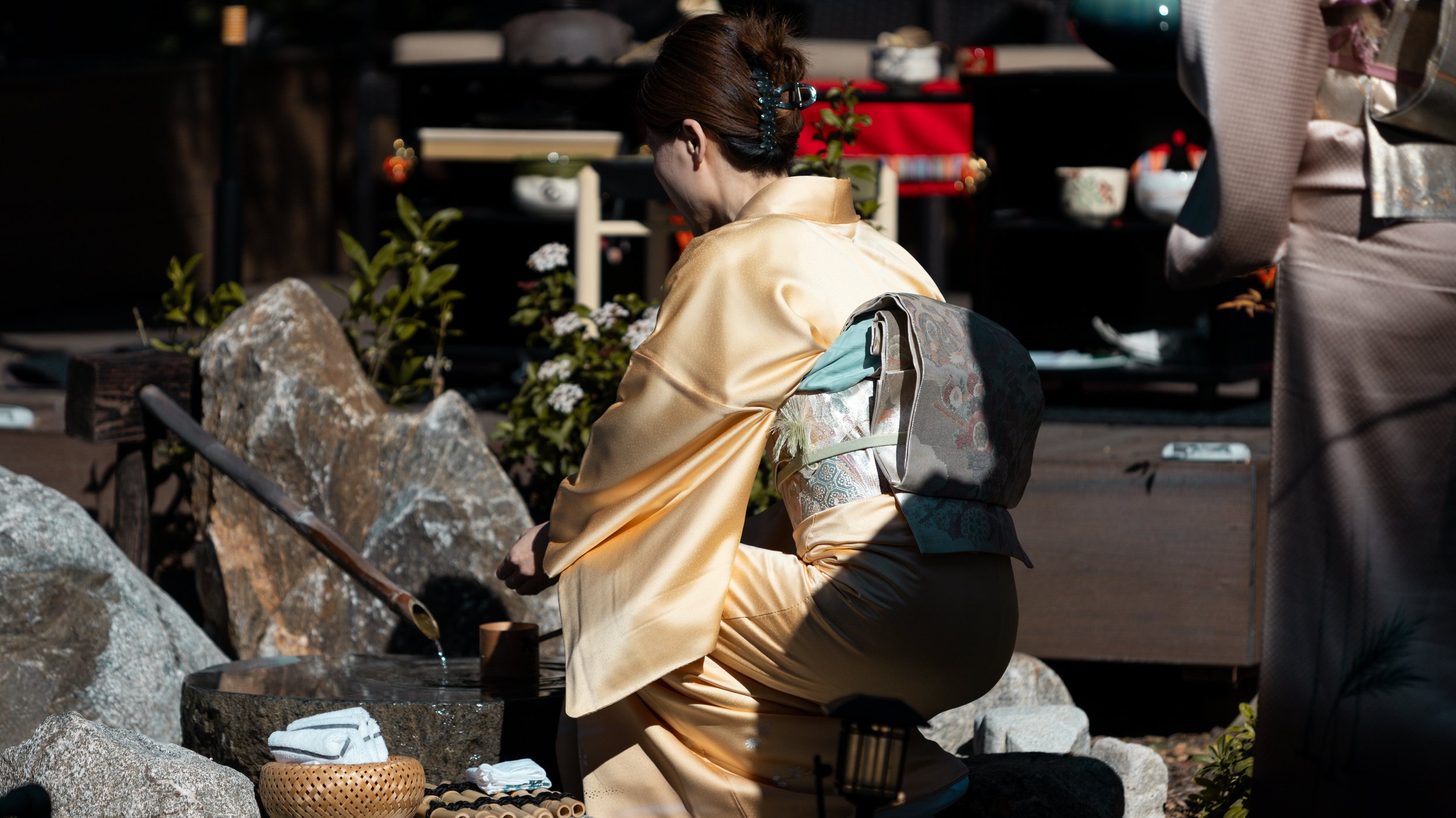
In the quiet rhythm of the tea ceremony, I discovered a different way of listening, one that begins long before words are spoken. Each movement, each pause, each moment of stillness carries its own meaning. As I’ve practiced this art, I’ve slowly learned to bring the same presence and intention into the conversations I interpret. Tea has taught me that communication is not just what we say, but how we meet each other in the moment.